Guide to New Construction Homes in Winnetka
March 24, 2026
March 24, 2026
Thinking about a newer home in Winnetka but not sure where to start? You’re not alone. In a village known for historic charm, newer construction is limited and comes with its own rules, timelines, and tradeoffs. In this guide, you’ll learn where newer homes cluster, what lots can support, the permits that shape your plans, and the smart inspections that protect your purchase. Let’s dive in.
You want a move‑in ready home with modern systems, open layouts, and energy efficiency. In Winnetka, that often means targeting newer construction on infill lots or recent teardowns. With a majority of homes built before 1940 and only about 12 percent built since 2000, newer construction stands out and typically commands a premium in desirable locations. The result is a market where you pay for both the house and the lot, especially near the lake and village business districts.
Winnetka is one of the North Shore’s highest‑price, lowest‑inventory markets. Recent market indexes place typical home values in roughly the 1.6 to 2.0 million dollar range in late 2025 and early 2026. Because most of the housing stock is older, buyers who want modern systems, larger kitchens, and energy‑efficient mechanicals often look for newer builds or recently completed custom homes. If you’re weighing a new house against a renovated older one, keep in mind that the national price premium for new construction narrowed in 2024 and 2025, although actual premiums vary by neighborhood and lot. For broader context, see the national trend summary on new‑construction affordability from PR Newswire.
The lakefront and nearby east‑side streets see some of the village’s most visible teardown‑to‑mansion projects. These locations attract large custom builds on generous lots, sometimes with lot consolidations. If you’re considering a lakefront property, plan ahead for bluff and steep‑slope protections that can limit what and where you can build. A recent high‑profile example on Sheridan Road illustrates the tension between preservation, scale, and modern demand, covered by The Real Deal.
You’ll also find newer infill homes and top‑to‑bottom renovations near the three Metra stations and village business districts in Downtown Winnetka, Hubbard Woods, and Indian Hill. These locations appeal if you want a shorter commute and walkable amenities paired with a modern floor plan. The village’s zoning legend and map help you visualize these corridors and surrounding residential zones. Review the Village of Winnetka Zoning Districts Legend as you refine your search.
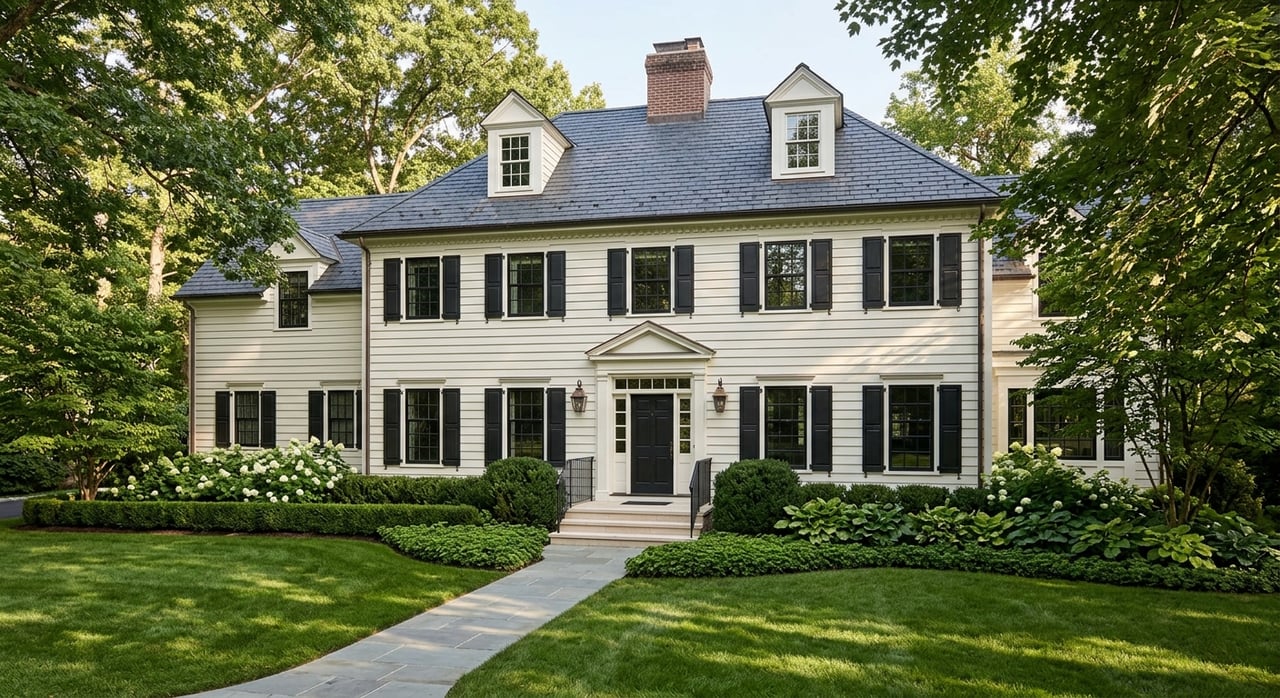
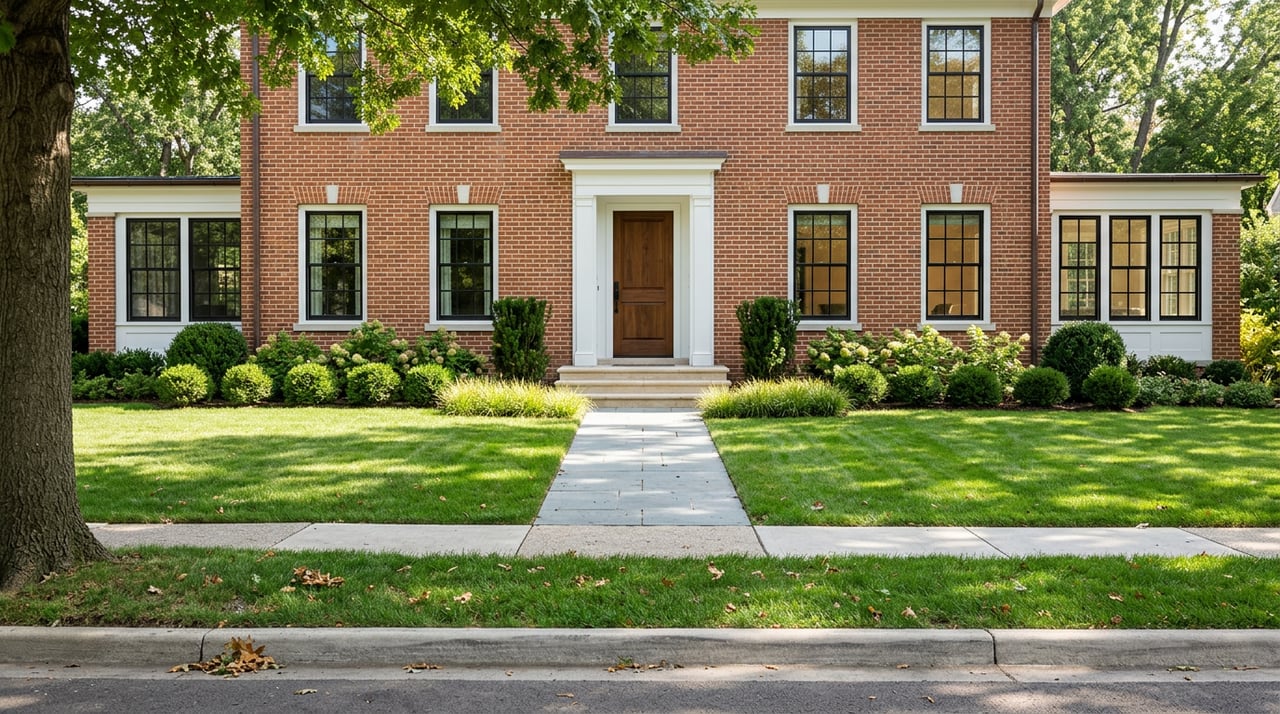
Inside established neighborhoods, newer construction usually replaces a single older home on a conforming lot. You’ll see transitional and traditional architecture with open, contemporary interiors. Here, zoning rules on lot size, coverage, and gross floor area are the quiet drivers of what you can build without asking for variances.
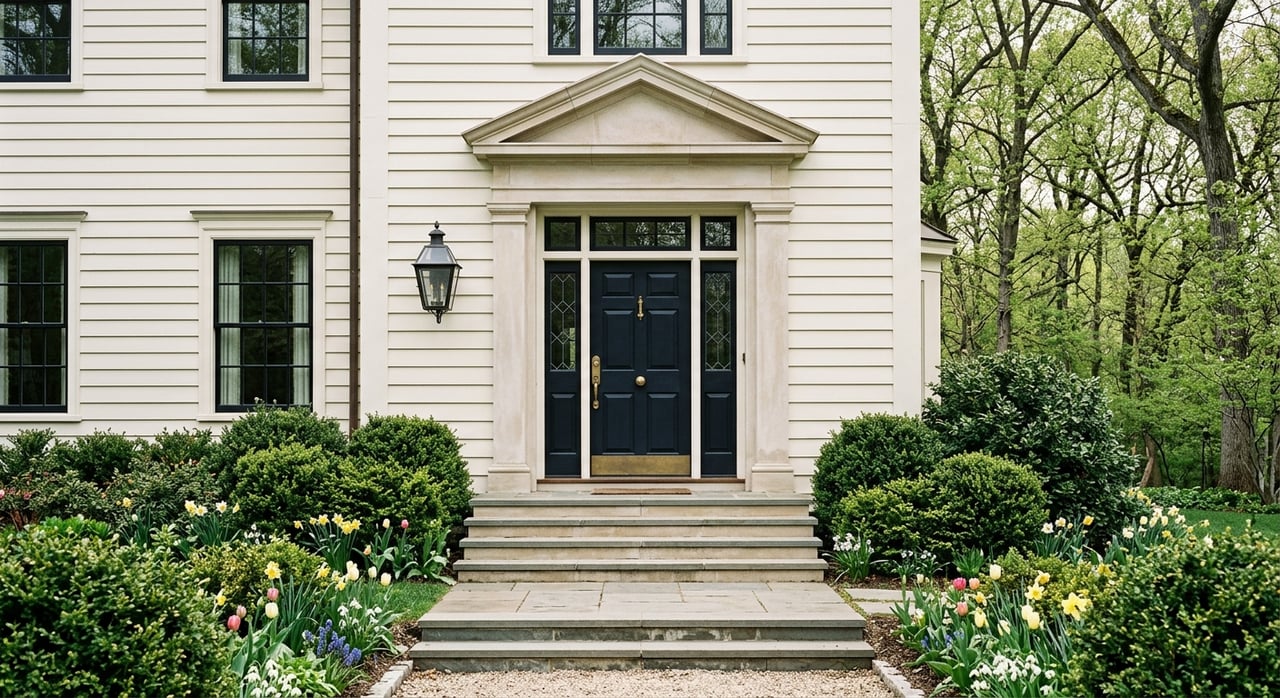
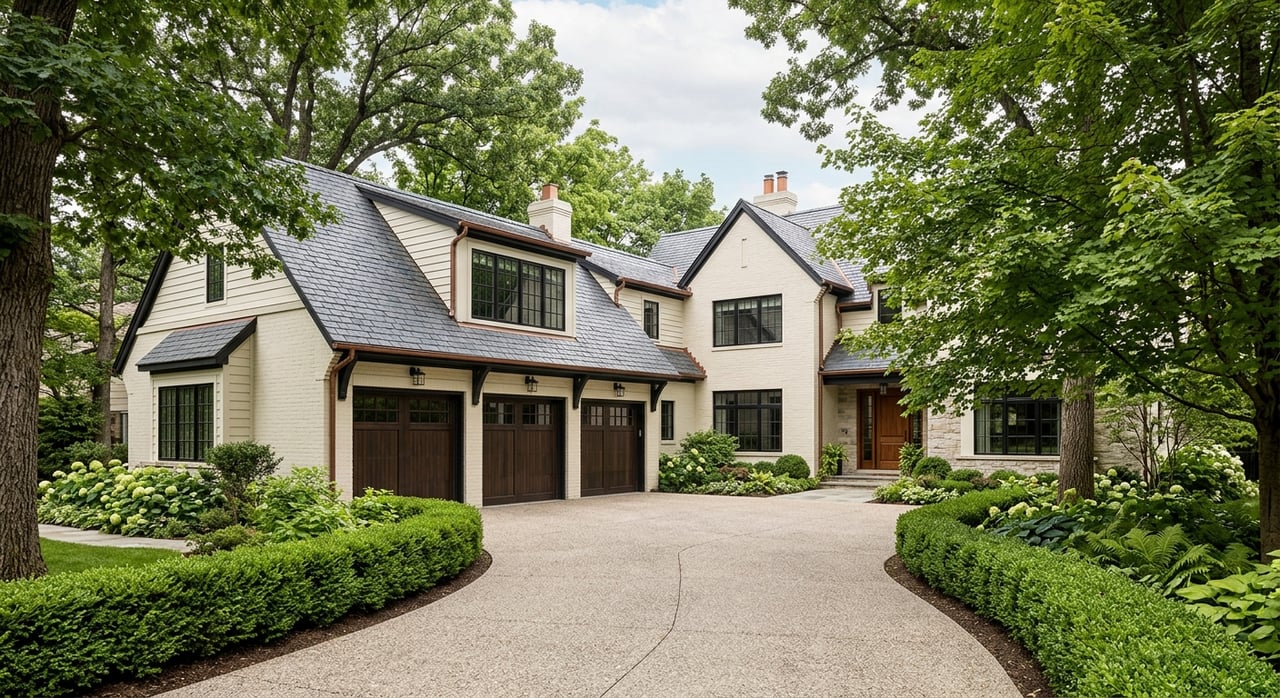
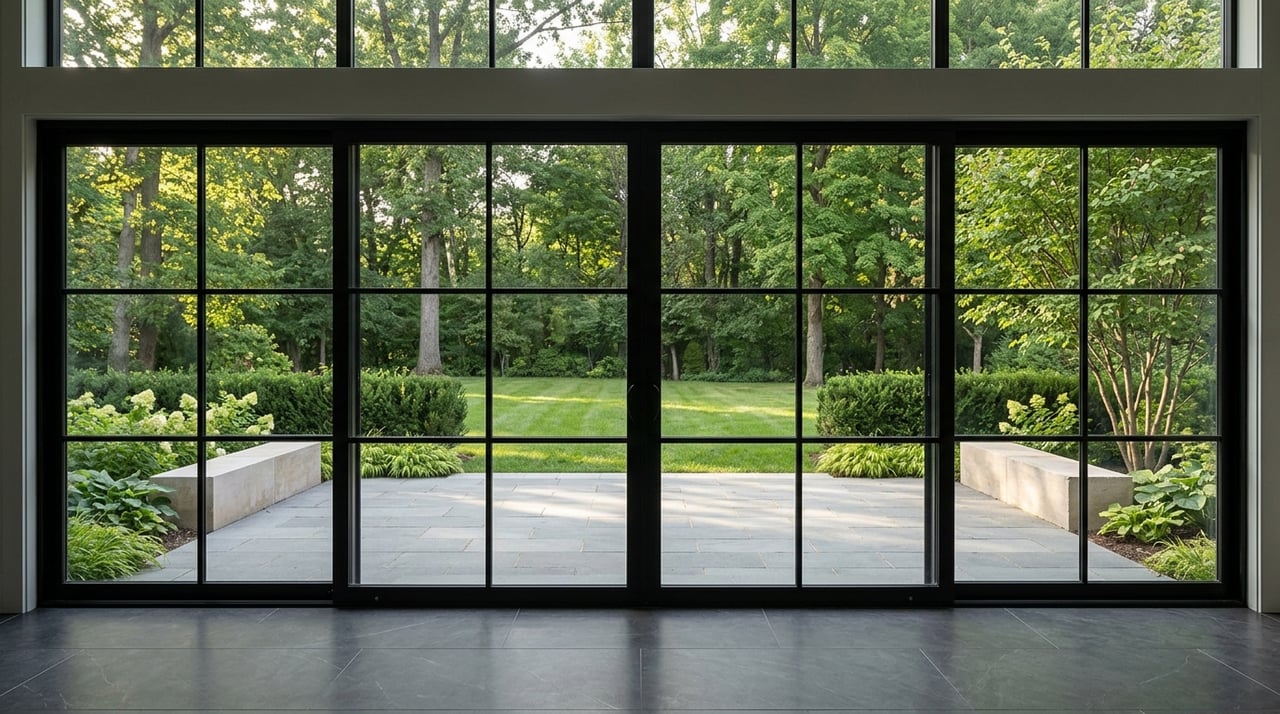
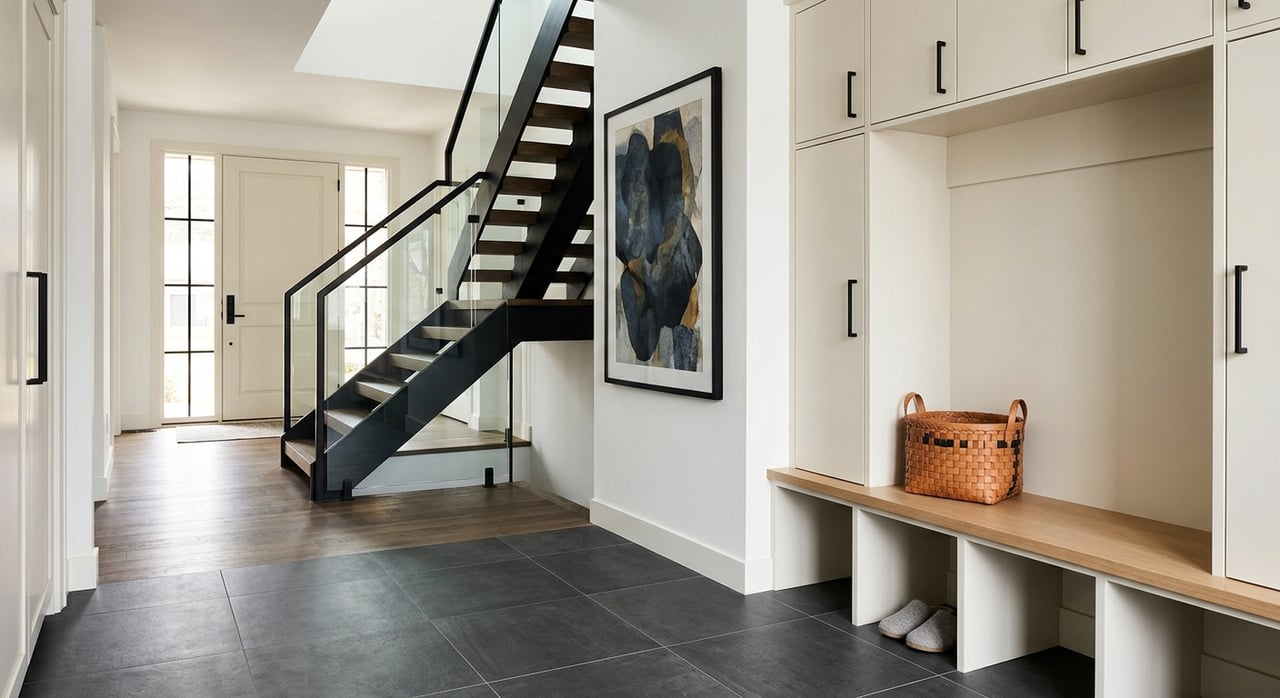
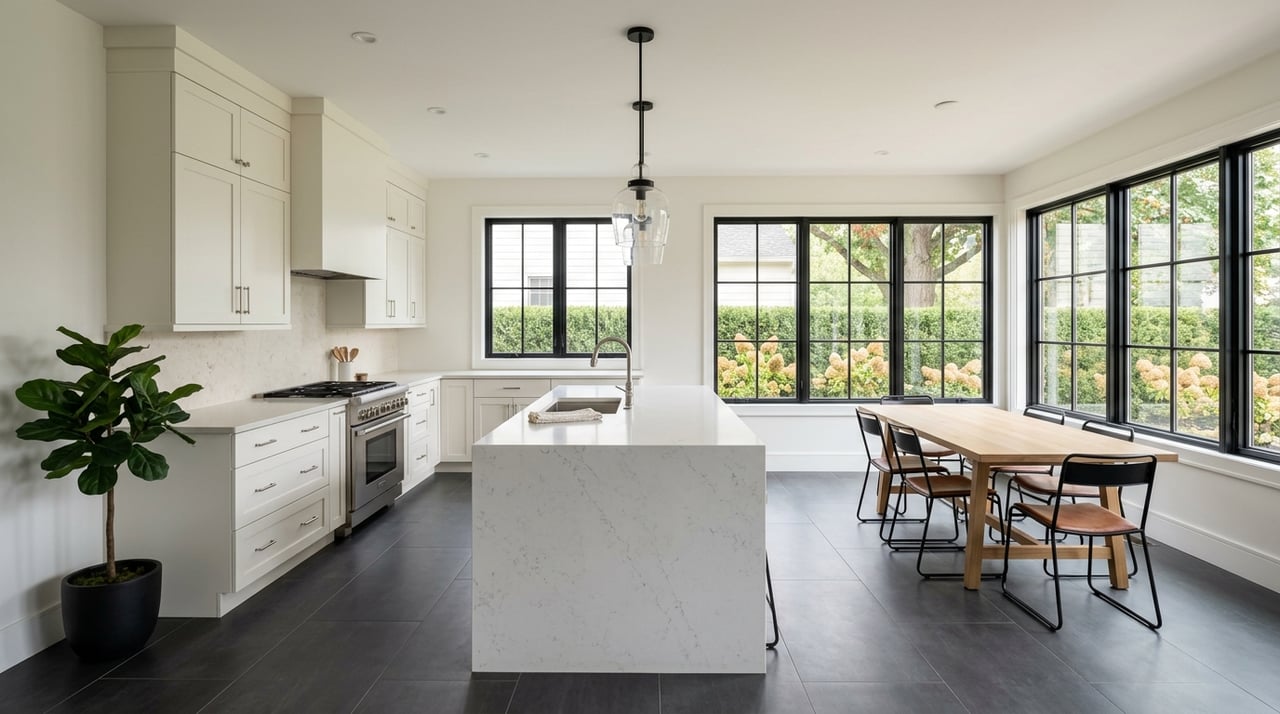
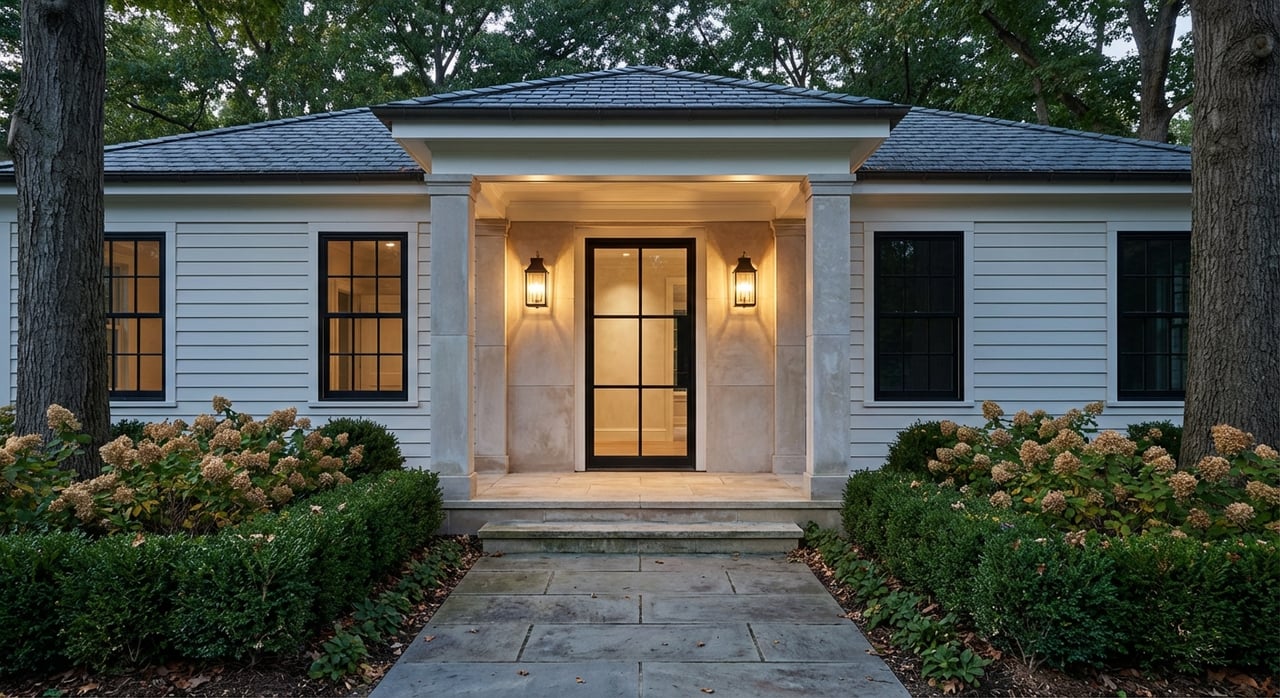
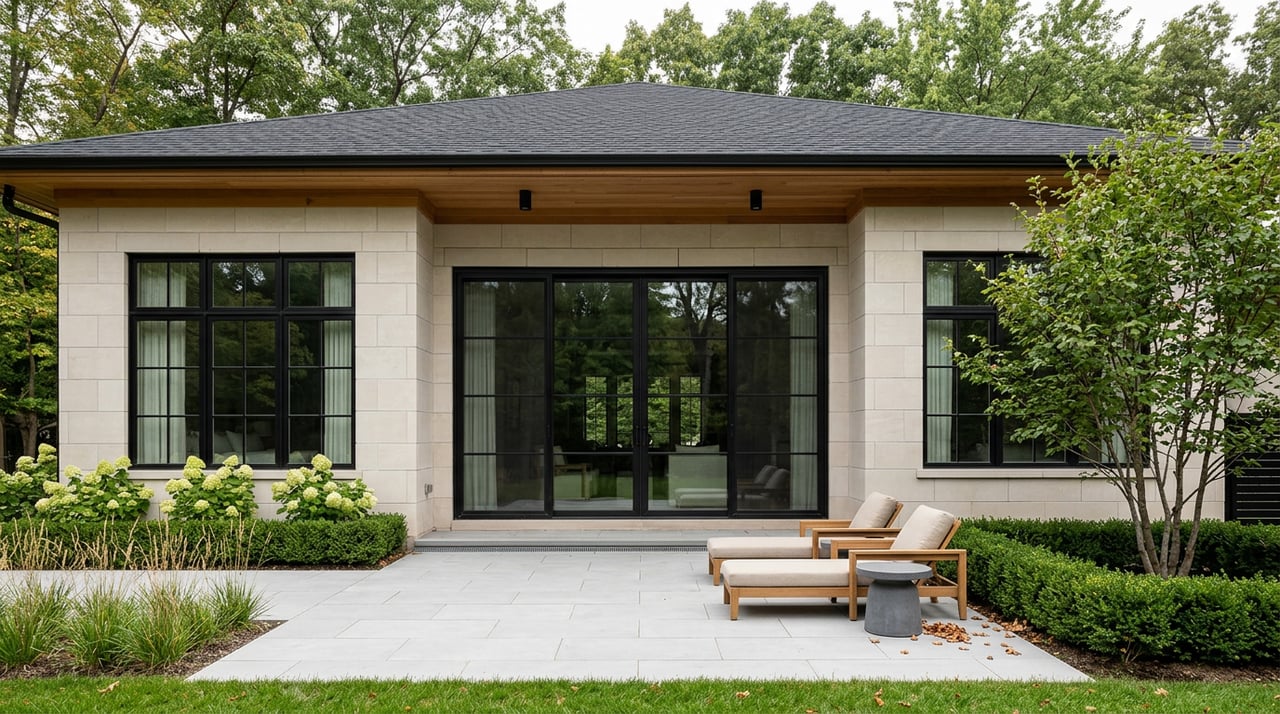
Most newer Winnetka homes blend traditional exteriors with light, transitional interiors. You can expect open kitchen‑family rooms, generous mudrooms, ample storage, and finished lower levels. Many include 3‑car garages, EV‑ready power, smart‑home wiring, and outdoor living spaces. On some plans, a main‑floor bedroom suite or flexible office space has become more common.
Winnetka’s single‑family zones set clear minimum lot sizes, which determine what is buildable by right. The village’s official legend lists these minimums:
Before you fall in love with a lot, confirm its zoning district and whether it meets the minimum area for that zone. Start with the Village of Winnetka Zoning Districts Legend and follow up with a survey and zoning calculations from your architect.
Beyond lot size, two rules usually control house size: gross floor area and maximum roofed lot coverage. These numbers can scale your vision up or down and are enforced during permitting. If a design exceeds a limit, you may need a variance, which adds time and uncertainty. For processes and submittals, review the village’s Zoning, Subdivision & Special Approvals page.
Winnetka strengthened its preservation tools in 2021. The Landmark Preservation Commission can impose a demolition delay of up to 270 days on homes deemed historically or architecturally significant. The intent is to create time to explore alternatives, not to permanently block demolition. Learn more about this policy shift in local reporting from The Record North Shore.
If you’re eyeing the lakefront, know that the village adopted steep‑slope and bluff protections in 2023 and 2024. These rules guide how and where you can rebuild on bluff‑top lots, and they have been the subject of litigation by some owners. If coastal access is a priority, plan for a careful review of these ordinances and timelines. For context, see coverage of the ongoing lawsuit from The Record North Shore.
New builds are reviewed under current state and local codes, including the 2024 Illinois Energy Conservation Code in local practice and village‑adopted references to the 2021 International Residential Code. Expect higher performance standards for insulation, air sealing, and mechanicals compared to older homes. You can confirm adopted codes on the village’s Adopted Building Codes page.
Redevelopment projects must address stormwater detention and site grading. In a community where basements are common, proper drainage, sump pump systems, and backup protection are essential. Ask for the civil engineering plans and confirmations that post‑construction impervious surfaces meet code. You can read the stormwater requirements in the village’s ordinance library.
Newer construction in Winnetka is both a lifestyle choice and a technical project. You get comfort, efficiency, and a layout that fits how you live today, but you also need to plan for zoning math, preservation reviews, and stormwater details that older neighborhoods demand. With clear expectations and the right team, you can secure a newer home that fits your timeline, budget, and long‑term goals.
When you are ready to refine your search or evaluate a lot, reach out to Kim Kelley Residential for hands‑on guidance rooted in 25+ years of North Shore expertise.