Is a Northbrook Rental Property Investment Right for You?
April 16, 2026
April 16, 2026
Wondering whether you should keep your Northbrook home and rent it out instead of selling? It is a smart question, especially in a market where home values are high, listings can move quickly, and rental options appear limited. If you are weighing long-term income against a strong resale market, this guide will help you look at the numbers, the tradeoffs, and the local factors that matter most. Let’s dive in.
Northbrook is not a one-size-fits-all rental market. According to Zillow’s Northbrook market data, the average home value is $683,289, up 7.7% year over year, and homes go pending in about 14 days. That same source also places average rent at $2,887 per month, which gives you a starting point for comparing rental income against your ownership costs.
The for-sale side of the market is also active. Zillow and the same market snapshot indicate a fast-moving environment, while Realtor.com characterizes Northbrook as a seller’s market. In practical terms, that means you may have two legitimate options: hold the property as a rental or sell into favorable demand.
A Northbrook rental can make sense because supply appears tight. Zillow shows a relatively small number of available rentals, and the Village’s 2025 Affordable Housing Plan reports that Northbrook’s rental vacancy rate remains below 3.0%, with newer luxury apartments often below 3% to 4% vacancy. Low vacancy can support steadier demand when your home is priced and presented well.
The local housing mix also helps explain why rental inventory may stay limited. The Village plan says 78.4% of Northbrook’s housing stock is single-family, while only 13.3% of units are rented. If you own a well-kept single-family home or townhome, you may be offering something that is not widely available.
Northbrook also offers everyday conveniences that can support renter interest. The Village highlights shopping, dining, parks, the public library, and transportation access, including 25+ daily Metra trips, Pace bus service, downtown Chicago about 25 miles away, and O’Hare about 17 miles away. For many renters, that mix of amenities and access can make the area appealing.
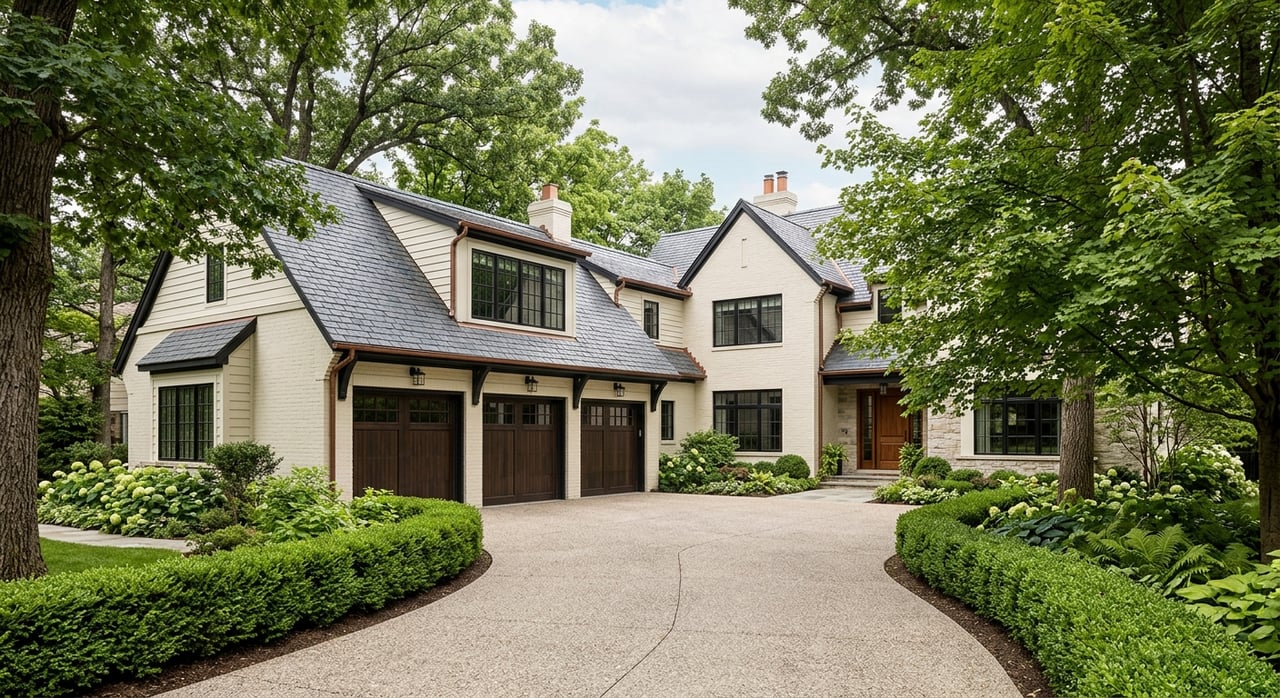
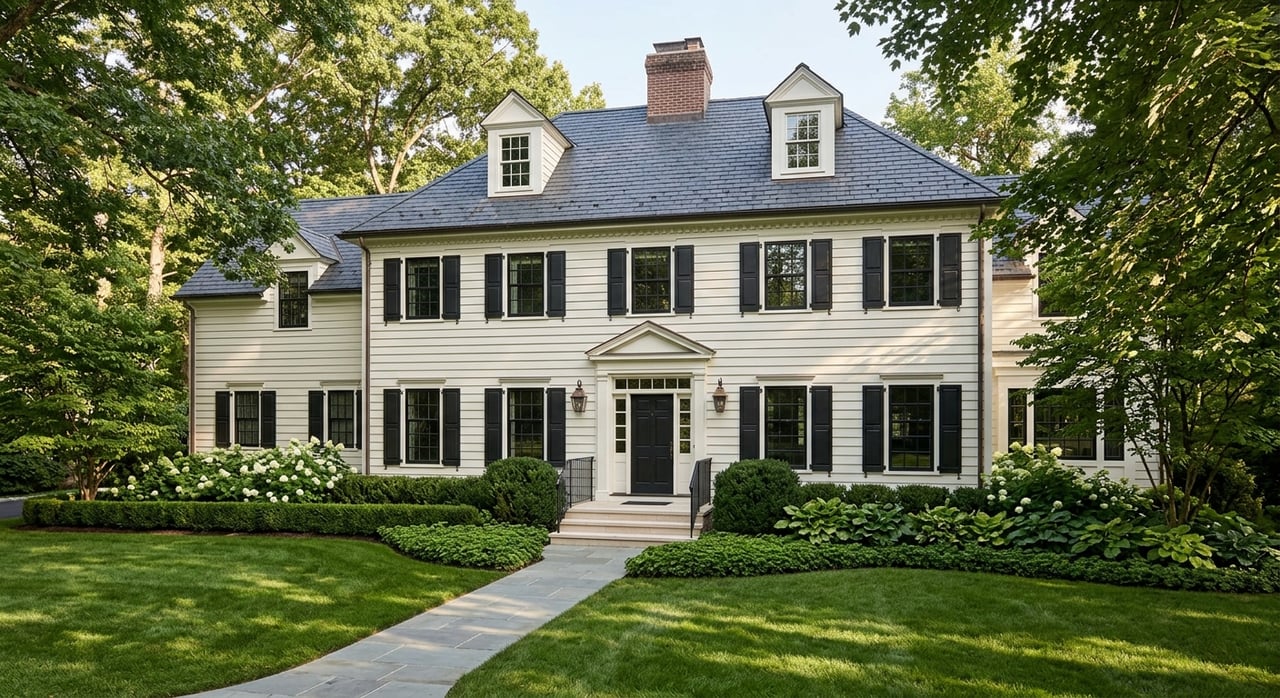
In Northbrook, renters looking for a house or townhome may expect more than a basic apartment setup. They are often looking for space, parking, solid upkeep, and a location that supports daily routines and commuting. That means condition, layout, and convenience can play a big role in how fast your home leases.
Northbrook is served by Northbrook School District 28 and Glenbrook High School District 225, which helps explain why demand for larger homes can be meaningful in this area. When describing your property, stick to factual details like bedroom count, lot size, parking, transit access, and nearby amenities rather than subjective neighborhood claims.
Before you decide to become a landlord, start with a simple benchmark. Using Zillow’s average home value and average rent, the implied gross rent yield is about 5.1% before expenses. That number is useful, but it is only a first pass because it does not include taxes, insurance, maintenance, vacancy, repairs, management, or financing costs.
Current asking rents show a range depending on property type and size. Based on Zillow rental listings for Northbrook, 3-bedroom homes are roughly $2,800 to $4,100 per month, and 4-bedroom homes are around $3,500 to $4,100. The difference between those rent levels can have a major impact on whether your property produces healthy cash flow.
Here is a simple way to think about it:
What remains is your approximate cash flow.
If that number is comfortably positive, renting may be worth serious consideration. If it is thin, unpredictable, or negative, selling may be the cleaner and less stressful move.
The hardest part of this decision is that both paths can make sense in Northbrook. Because the sales market is active, you may be able to sell without a long wait. Because rental supply is tight, you may also be able to attract qualified tenants if your home shows well and is priced correctly.
A side-by-side comparison can help:
| Option | Potential Upside | Main Tradeoff |
|---|---|---|
| Sell now | Access equity sooner in a strong market | You give up future rental income and possible long-term appreciation |
| Rent long-term | Keep the asset and create income potential | You take on management, maintenance, and leasing risk |
If your goal is liquidity, simplicity, or avoiding upcoming repair costs, selling may align better with your plans. If your goal is long-term ownership and the cash flow works after expenses, holding as a rental may be more attractive.
Many homeowners focus on monthly rent and forget the cost side. The IRS explains in Publication 527 that rental expenses generally include maintenance, insurance, taxes, interest, repairs, depreciation, and management fees. It also notes that repairs are usually deductible, while improvements typically must be capitalized.
This matters because an older or higher-value home can produce uneven expenses. A property that looks profitable on paper can feel much different after a roof repair, appliance replacement, exterior maintenance, or a vacancy gap. That is why the real question is not “Can this home rent?” but “Will this home rent profitably enough for my goals?”
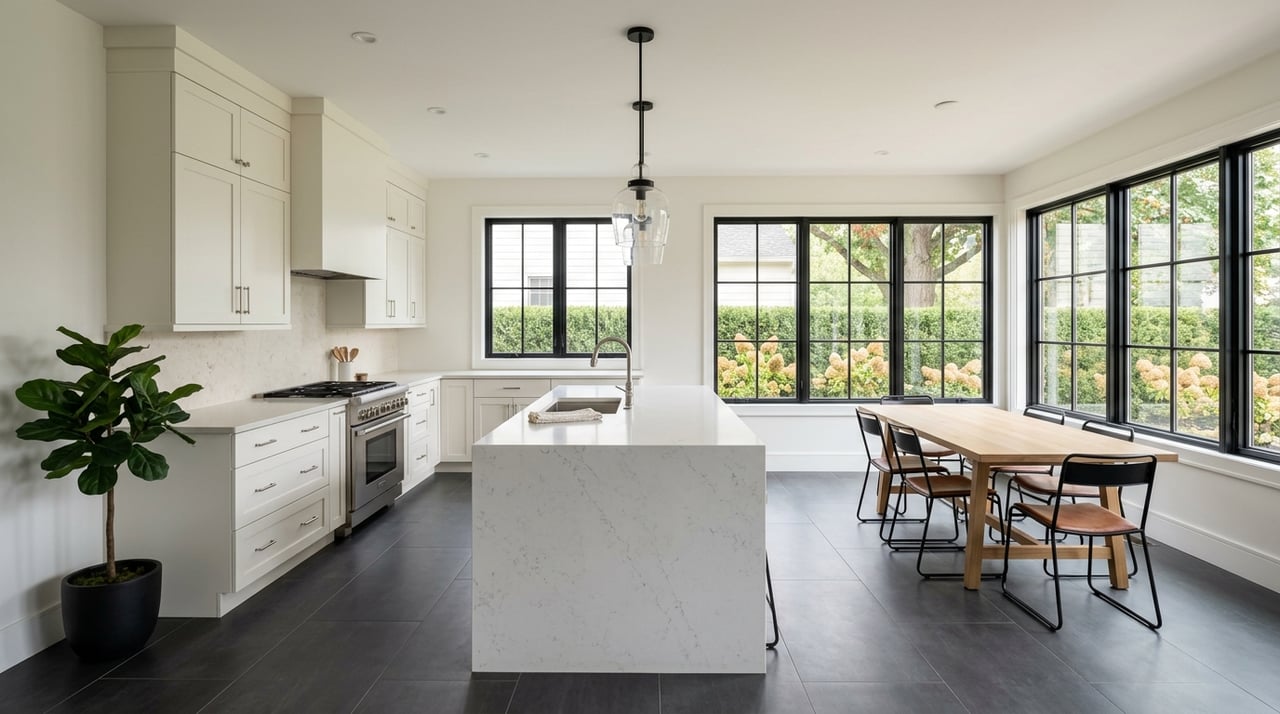
In a smaller rental pool, execution matters. A home that is professionally presented, accurately priced, and clearly marketed is more likely to attract strong interest quickly. That is especially true for upper-middle and luxury rentals, where tenants often compare condition, responsiveness, and overall presentation.
Screening also needs to be consistent and fair. HUD states that tenant-screening policies should be fair, transparent, and non-discriminatory, and that third-party screening companies must comply with the Fair Housing Act. In practice, that means using clear criteria for every applicant and avoiding informal or inconsistent decision-making.
If you are thinking about turning your home into a short-term rental instead of using a standard lease, be careful. The Village of Northbrook requires short-term rental registration before the first rental in a calendar year. The rules also require the owner or long-term tenant to reside on the premises for the full rental period and include notice requirements for adjoining property owners.
That means a traditional long-term lease and a short-term rental are not interchangeable strategies. If your goal is passive income from an off-site investment-style property, the local short-term rental rules may not support that plan.
Before you keep your Northbrook home as a rental, ask yourself:
Your answers may tell you more than the top-line rent estimate ever could.
In Northbrook, turning your home into a rental can work, but it is not an automatic win. The market offers high home values, quick sales, limited rental supply, and only moderate gross yield benchmarks, which creates a real decision point rather than an obvious answer. If your property will lease well and still produce solid cash flow after expenses, keeping it may be a smart long-term hold. If the numbers are tight or you want simplicity and liquidity, selling may be the better move.
If you want help weighing your Northbrook home’s rental potential against its resale opportunity, Kim Kelley Residential can help you evaluate the property, the market, and the strategy that best fits your goals.