Highland Park Lakefront Vs In-Town Living
June 4, 2026
June 4, 2026
You can love Highland Park and still face a real choice: do you want your day shaped by Lake Michigan or by the ease of being close to shops, dining, and transit? If you are trying to decide between lakefront and in-town living, the answer often comes down to how you want your everyday routine to feel. This guide will help you compare both lifestyles in Highland Park so you can narrow in on the setting that fits you best. Let’s dive in.
Highland Park sits about 25 miles north of the Chicago Loop and blends shoreline living with a well-established in-town core. The city also describes itself as home to nine distinctive business districts, with downtown serving as the heart of the community.
That matters because lakefront and in-town homes are part of the same broader market, but they can feel very different once you are living there. One side leans toward views, recreation, and a more destination-driven routine. The other leans toward convenience, walkability, and easier access to daily needs.
Lakefront living in Highland Park is tied closely to the city’s shoreline amenities and natural setting. The Park District of Highland Park manages four lakefront properties: Rosewood Beach, Moraine Beach, Millard Beach, and the Park Avenue Boating Facility.
Together, these properties span about 5,100 linear feet of shoreline and are backed by inland bluffs. Each one serves a different purpose, so the lakefront experience is not one-size-fits-all.
If you are drawn to the shoreline, your routine may center more on outdoor time than errands. The lakefront corridor is best understood as recreation-oriented and view-oriented, with beach access, bluff walks, boating, nature programming, and passive recreation shaping the lifestyle.
Rosewood Beach is the main swimming and recreation beach. It includes a guarded swimming beach, interpretive center, boardwalk, restrooms, and picnic space.
Moraine Beach offers a different feel, with a walking path, sculpture garden, picnic tables, and dog beach access. Millard Beach is a non-swimming beach with bluff lookout and rock-garden amenities, while Park Avenue focuses on boating and does not allow swimming or wading.
Lakefront living also comes with more managed access than many buyers expect. Parking decals are required for lakefront properties, and Rosewood requires access passes during swimming hours.
For some buyers, that structure feels worth it because of the shoreline setting and recreation options. For others, it is a sign that the lakefront functions more like a managed recreation corridor than a simple extension of the street grid.
In-town Highland Park offers a more convenience-driven lifestyle. Downtown is the city’s most concentrated retail and civic center, and the city describes it as walkable and friendly.
You will find boutiques, restaurants, professional services, and proximity to Highland Park Hospital, City Hall, the library, the Art Center, and the North Shore Yacht Club. Downtown is also less than one mile from Park Avenue Beach, which gives you access to both urban convenience and the lake nearby.
If you want to leave the car parked and handle several tasks in one outing, in-town living often has the edge. Downtown Highland Park is described as pedestrian- and cyclist-friendly, and the Ravinia District offers another walkable cluster of restaurants, specialty shops, small-scale businesses, and services.
This setup can make day-to-day life feel simpler. You may be able to combine coffee, errands, dinner, and a quick stop at a service provider into one compact trip.
The Ravinia District gives buyers a second in-town lifestyle node to consider. It sits within a few blocks east of Green Bay Road and offers an eclectic, walkable setting with small-scale businesses, restaurants, specialty shops, and professional services.
The city notes that you can reach the area by walking or biking via the Green Bay Trail and Robert McClory Bike Trail, as well as by Metra or Pace. For buyers who value access and movement without relying on a car for every stop, that can be a strong draw.
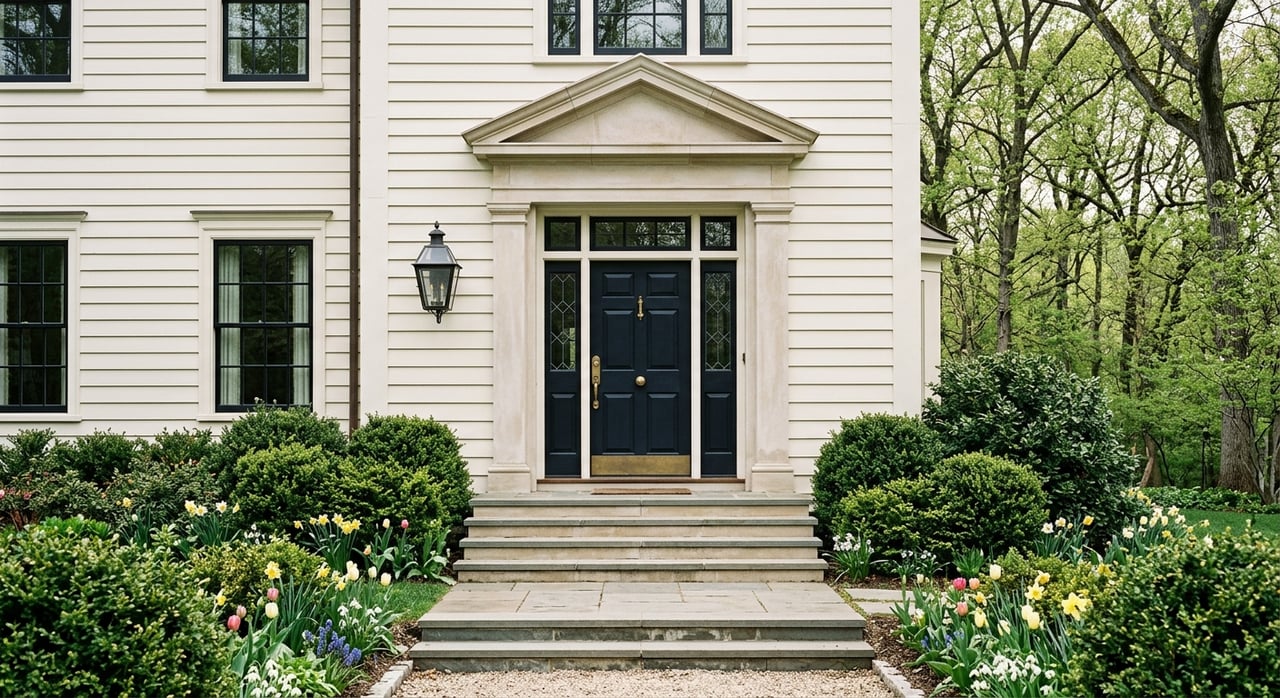
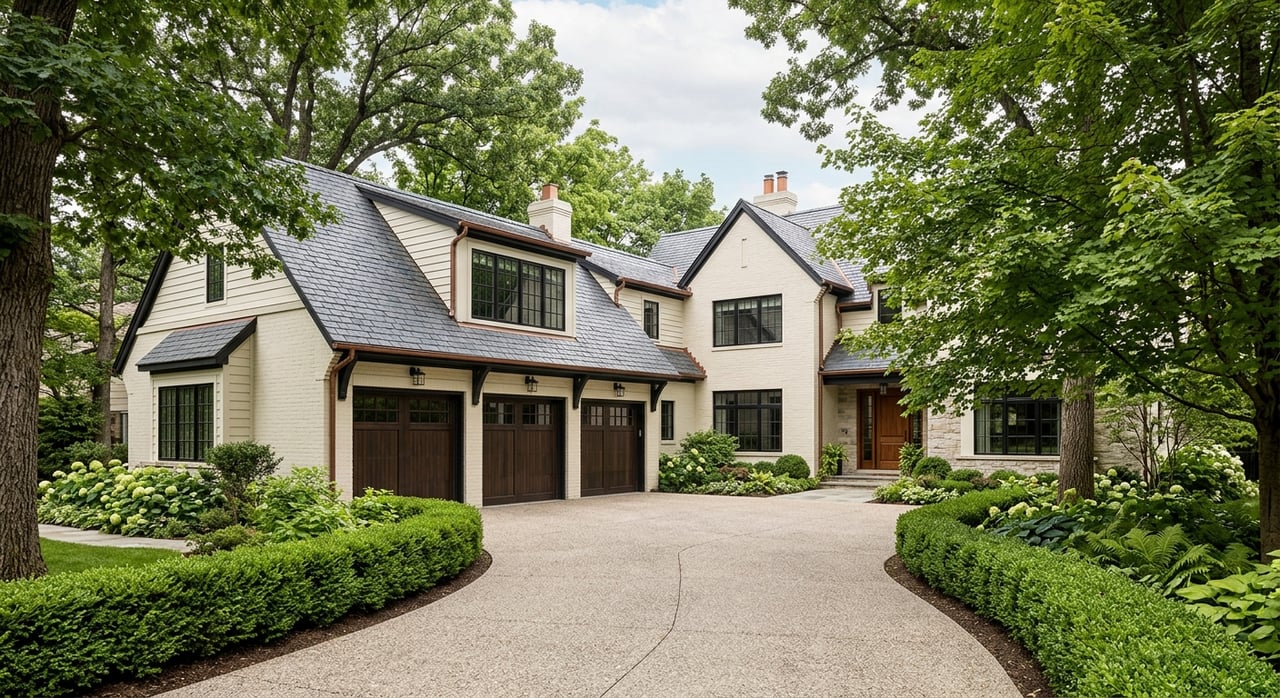
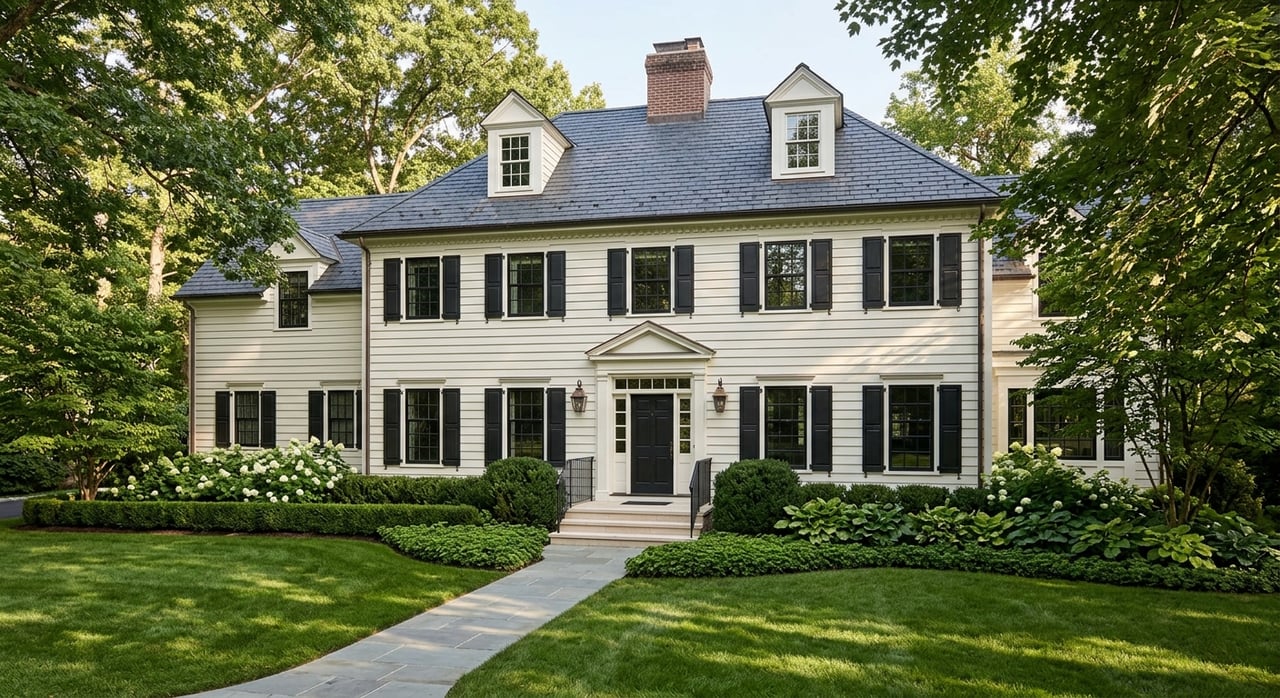
One of the most important points for buyers is that Highland Park does not fit into a single architectural box. According to the city’s historic preservation inventory, the housing stock includes Prairie, Tudor Revival, Colonial Revival, Queen Anne, Craftsman, Ranch, International Style, French Eclectic, Georgian Revival, Dutch Colonial Revival, and Victorian Gothic Revival examples.
That means you should not assume the lakefront has all the character homes or that in-town areas are all the same. Shoreline-adjacent streets such as Sheridan Road and Ravine Drive appear in the inventory, showing that the lakefront is also one of Highland Park’s strongest historic-architecture corridors.
In-town neighborhoods, meanwhile, are more likely to mix older single-family homes with some downtown multifamily residential product. If your home search is driven by architecture, lot setting, or home style, it makes sense to explore both areas carefully rather than ruling one out too early.
If commuting matters to you, location within Highland Park can change how easy your routine feels. Metra’s Union Pacific North line serves Highland Park through multiple stations: Highland Park, Ravinia, Ravinia Park, and Braeside.
The main Highland Park station is at 1700 St. Johns Avenue. Ravinia is at 510 Roger Williams Avenue, Ravinia Park is at 418 Sheridan Road, and Braeside is at 10 North St. Johns Avenue.
For many daily commuters, in-town buyers are usually closest to the main Highland Park station. Buyers near the lakefront or in the Ravinia area may find Ravinia or Braeside more convenient, depending on the exact address.
There is one notable detail here. Metra notes that Ravinia Park is tied to Ravinia Festival service rather than functioning as a standard daily commute stop.
Parking may not sound exciting, but it often affects how a neighborhood feels once you live there. Downtown Highland Park advertises plenty of free parking, which supports a more open and flexible day-to-day experience.
The lakefront works differently. With parking decals required at shoreline properties and access passes needed at Rosewood during swimming hours, the experience is more structured.
That does not make one better than the other. It simply means the two settings support different habits, expectations, and rhythms.
If you are deciding between the two, this side-by-side comparison can help clarify your priorities.
| Feature | Lakefront Living | In-Town Living |
|---|---|---|
| Everyday feel | Outdoors-first and destination-based | Convenience-oriented and walkable |
| Main draw | Beach access, bluff views, boating, recreation | Shops, dining, services, civic uses |
| Access style | More regulated with decals and passes | Open street grid with free parking downtown |
| Transit fit | Depends on exact address near Ravinia or Braeside | Often closer to the main Highland Park station |
| Housing character | Historic architecture plus shoreline setting | Mix of older homes and some multifamily options |
Lakefront living may be the better fit if you picture your mornings starting with beach access, bluff views, dog-friendly recreation, or boating. Buyers who want a more scenic, outdoors-centered routine often respond strongly to this part of Highland Park.
In-town living may be the better fit if you want faster access to coffee, restaurants, services, civic destinations, and transit. Buyers who value walkability and efficiency often find downtown or the Ravinia area more aligned with how they actually live.
For many people, the answer is not simply lakefront or in-town. It is the right block, the right home style, and the right daily rhythm.
With more than 25 years of local experience in Highland Park and across the North Shore, Kim Kelley Residential offers the kind of hands-on guidance that helps you compare not just homes, but how each location will feel after move-in day. If you are weighing shoreline views against in-town convenience, connect with Kim Kelley Residential for thoughtful, personalized guidance.