Highland Park vs Deerfield: How to Choose Your Ideal Community
February 5, 2026
February 5, 2026
Torn between Highland Park and Deerfield for your North Shore move? You are not alone. Both communities offer strong schools, beautiful neighborhoods, and easy access to Chicago, yet they feel different day to day. This guide walks you through the tradeoffs so you can match each town’s character, commute, and costs to your goals. Let’s dive in.
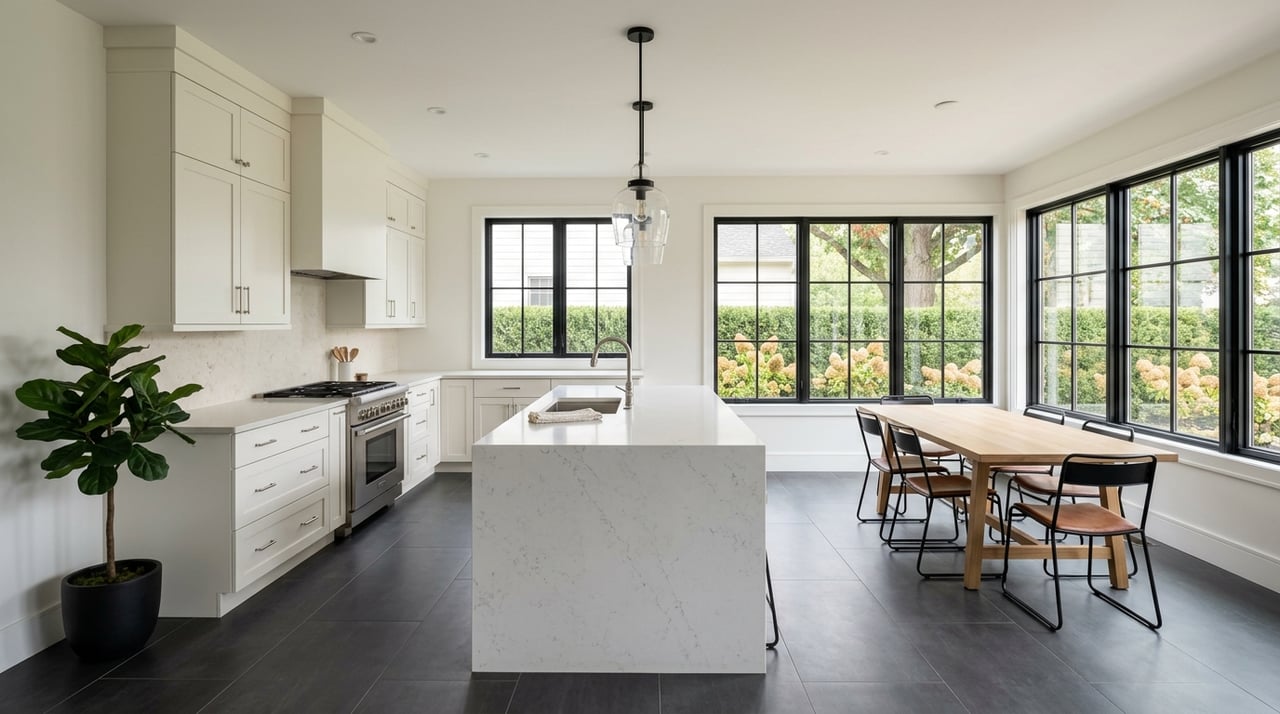
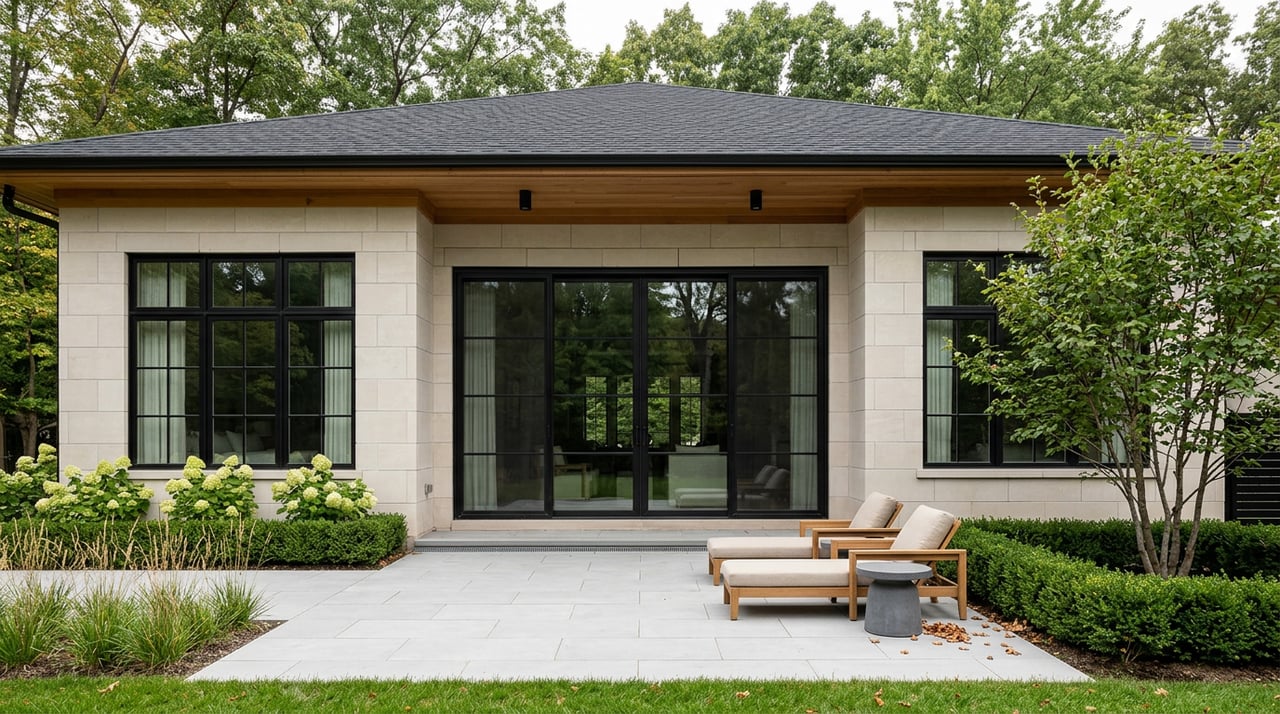
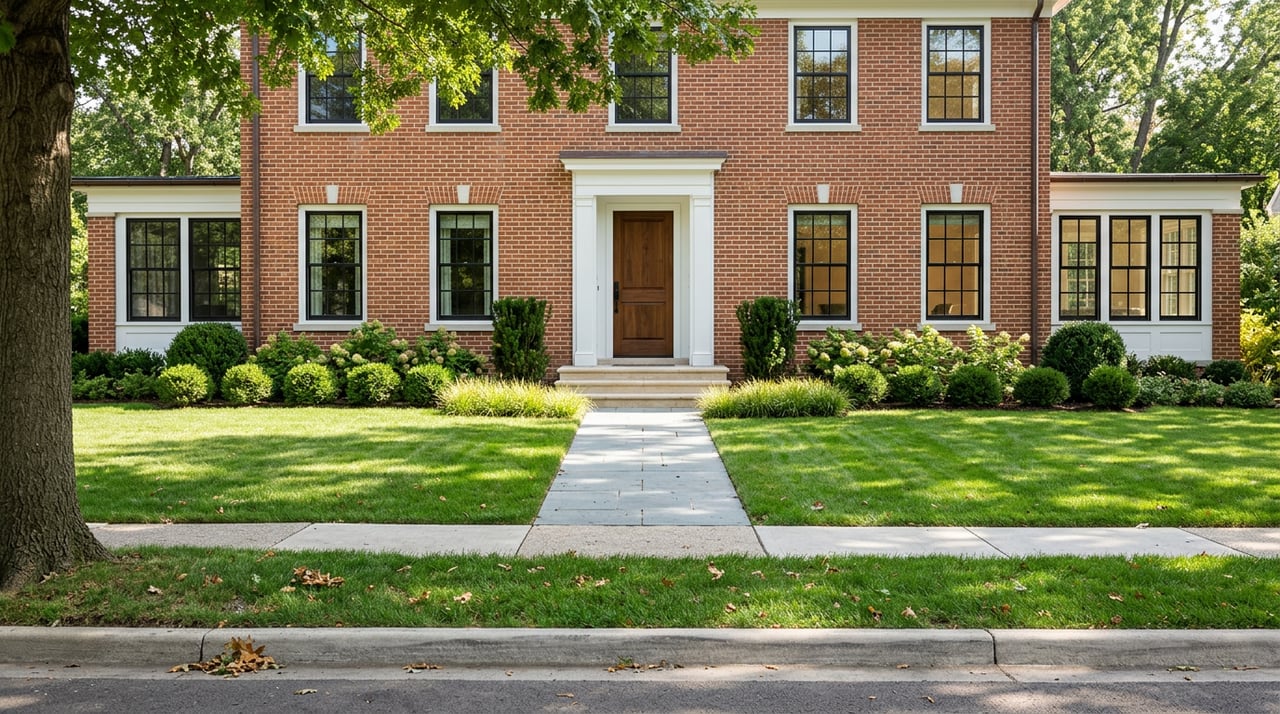
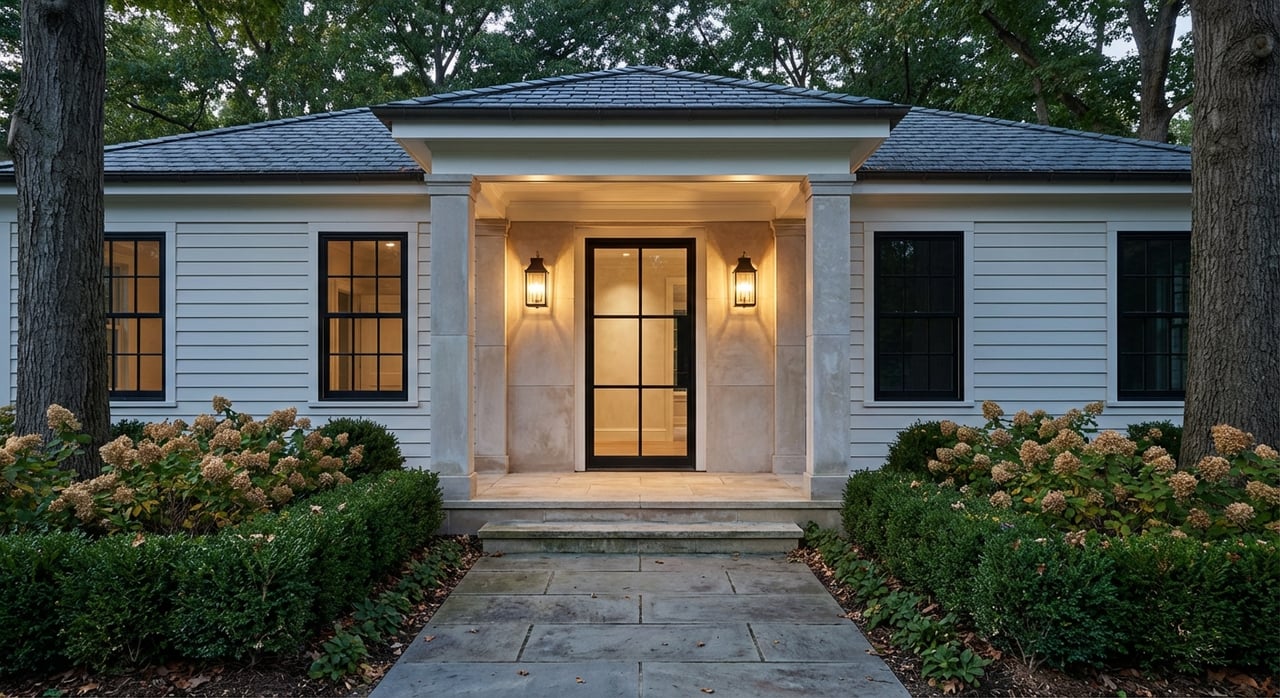
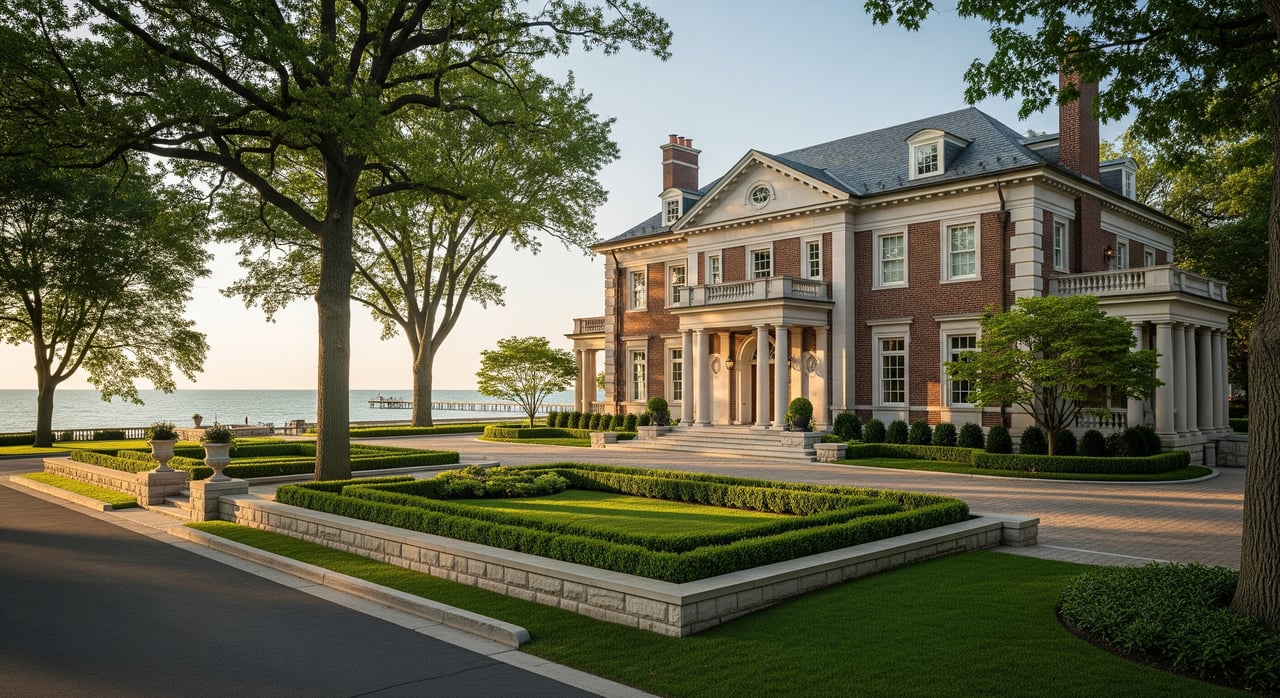
If you love character and variety, Highland Park gives you a broad spectrum of homes, from early 20th‑century architecture to newer infill and renovated classics. You will also find pockets of larger lots, historic districts, and neighborhoods close to the lake. Condos and townhomes exist, though single‑family homes dominate.
If you want a low‑maintenance lifestyle, Deerfield’s many mid‑century and late‑20th‑century homes can be appealing. Planned subdivisions, cul‑de‑sacs, and mid‑sized yards are common. You will also see some newer construction and occasional infill options, plus smaller clusters of townhomes and condos.
Across both towns, market pace and inventory vary by neighborhood and season. Before you bid, compare recent sales on your target blocks and study price per square foot trends for the past year.
Both communities connect to well‑regarded public high schools through Township High School District 113. Elementary and middle school boundaries can vary street by street, and several K‑8 districts serve different parts of each municipality. Private and parochial options are available throughout the North Shore corridor.
Focus on the schools that align with your needs, then confirm the assignment for your specific address. Academic performance indicators, program offerings, and extracurriculars can differ across campuses.
When comparing, review official report cards and district sites for up‑to‑date information. Boundaries and programs change, so always verify.
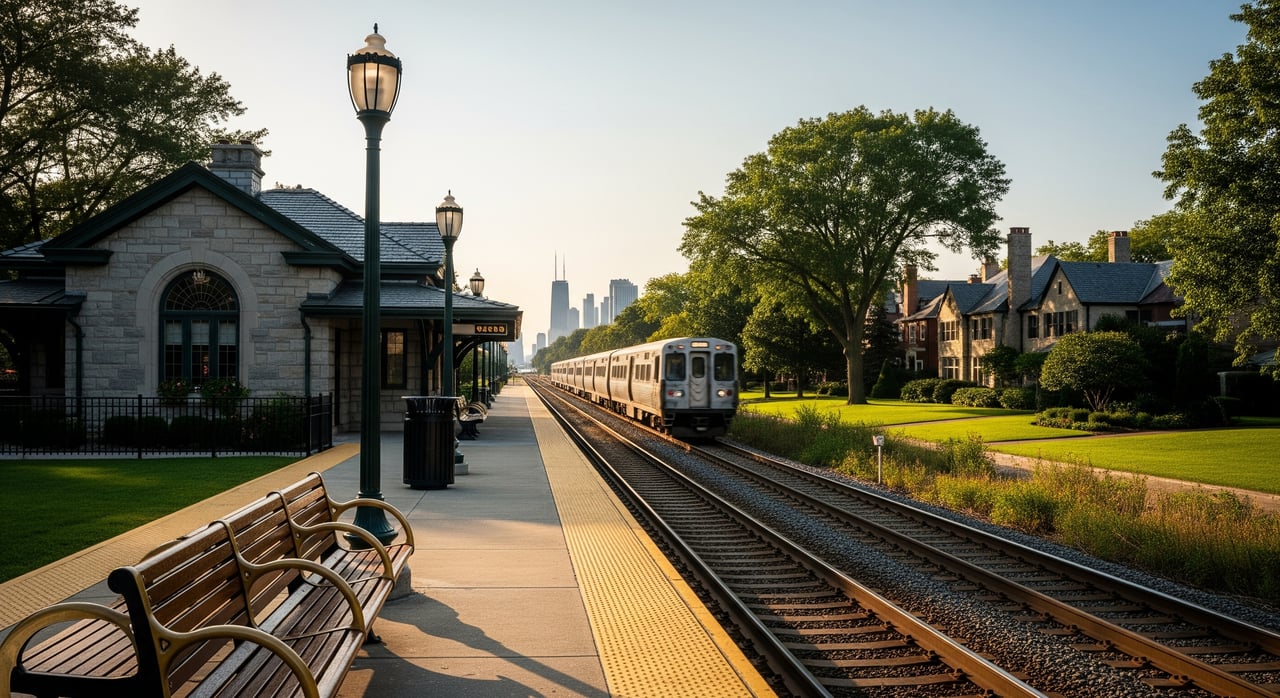
Both Highland Park and Deerfield sit on the Metra Milwaukee District North line, which offers trains to downtown Chicago. Each municipality has stations with parking options that may require permits. Schedules, travel times, and ridership can vary by time of day, so check the current timetable.
If you drive, you will appreciate quick access to the Edens and I‑94 corridor, along with major arterials like Lake Cook Road and Deerfield Road. Many residents also commute to nearby suburban employers, which shapes local traffic patterns during peak hours.
Plan your commute by testing both rail and driving at your typical departure times. If you will rely on station parking, ask about permit availability and waitlists before you commit to a home.
Highland Park stands out for its lakefront beaches, extensive parkland, and a larger cultural footprint anchored by a major summer music venue. Its downtown offers more continuous retail and dining, plus specialty shops that support an active street scene. The city also maintains a full calendar of community events and arts programming.
Deerfield leans into family‑oriented recreation with a strong park district, ball fields, pools, and community programming year‑round. With corporate campuses and shopping centers nearby, you benefit from a steady daytime population and convenient daily services. Downtown Deerfield is smaller and neighborhood‑focused, which many find calm and easy to navigate.
Regional favorites like the Chicago Botanic Garden are a quick drive from both communities and can be part of your weekend routine. Compare the event calendars, library offerings, and park amenities to see which fits how you spend your free time.
Property taxes vary by address based on school districts and other taxing bodies. Lakefront proximity, lot size, and home value can all influence the bill. Because assessments and levies change, review the last two years of tax bills for any home you are considering.
Insurance needs can differ as well. Older homes and lake‑adjacent properties may require specific coverage for structures or flood risk. Utility costs and services can vary by village, including water, sewer, trash, and leaf removal.
Get a complete picture before you write an offer so you understand the full monthly and annual cost of ownership.
Both villages publish public safety updates and annual reports you can review. Look at recent trends for property and violent crime to understand neighborhood context. For peace of mind, pull recent incident logs for the blocks you are considering.
Consider proximity to hospitals, urgent care, and fire or EMS services when you map your weekly routine. Community health resources and civic groups, like neighborhood or business associations, can also signal a connected community.
Use official sources to compare trends rather than relying on anecdotes. Context matters block by block, so aim for address‑specific data.
Long‑term value depends on demand drivers like school reputation, access to Metra, and neighborhood character. Highland Park’s architectural variety and lake proximity can command premiums, though older inventory may require ongoing investment. Deerfield’s newer housing stock can lower near‑term maintenance, which appeals to many buyers.
Study 5‑ to 10‑year appreciation trends for each community using multiple sources. Look for patterns in inventory cycles, list‑to‑sale dynamics, and days on market for your target neighborhood. The right choice balances lifestyle fit today with healthy resale prospects tomorrow.
Use these questions to clarify your best fit:
Your next move is to compare actual addresses, not just towns. Pull school assignments and the latest report cards, review the last two years of tax bills, line up insurance quotes, and test your commute by train and by car. Walk each downtown, visit parks and libraries, and tour homes on the exact blocks you like.
If you want a guided, local process with address‑specific data and on‑the‑ground neighborhood insights, reach out to Kim Kelley Residential. With 25+ years in Highland Park and the surrounding North Shore, you will get seasoned, founder‑led advice tailored to how your family lives.