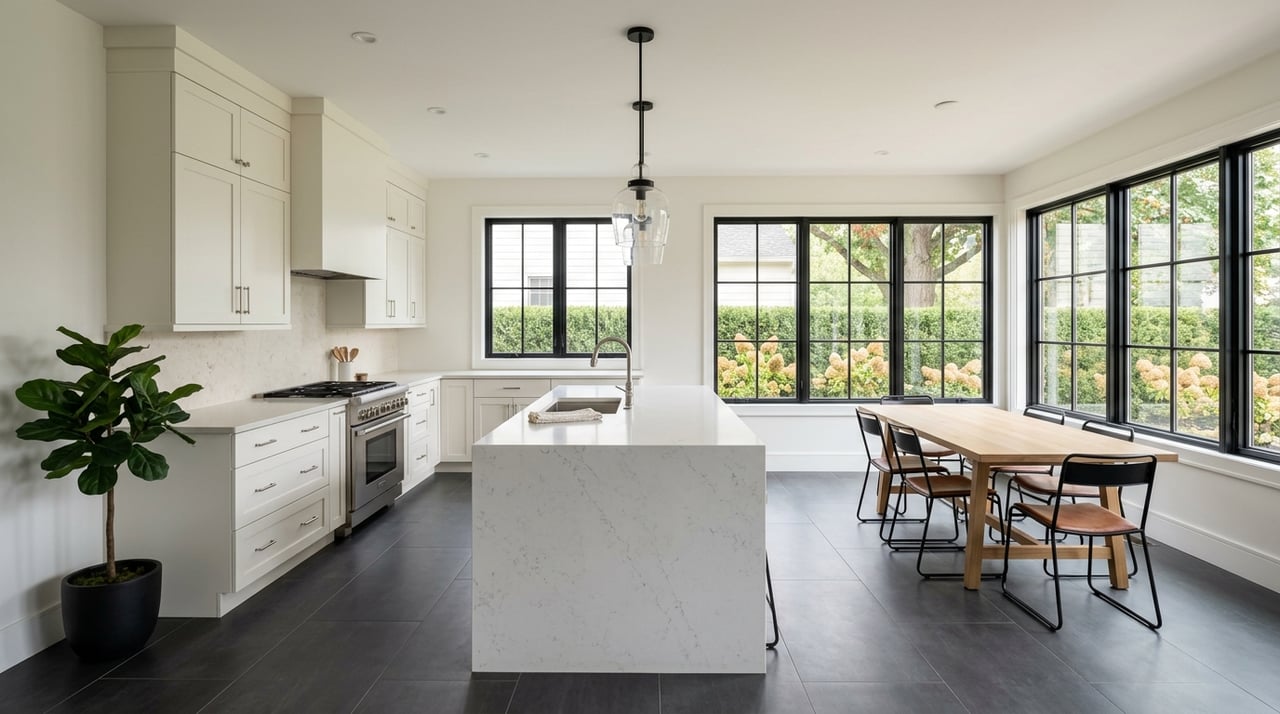
Considering turning your Lake Forest property into an executive rental but not sure where to start? You’re not alone. Many North Shore owners want steady income with minimal hassle while reaching high-caliber tenants. In this guide, you’ll learn how to position your home for executive demand, set the right lease terms, price with confidence, and market like a pro. Let’s dive in.
Why executive rentals work here
Lake Forest sits in the North Shore with convenient Metra commuter rail service, I-94 access, and proximity to Chicago job centers. That mix draws corporate transfers, consultants on project assignments, visiting academics, healthcare professionals, and attorneys. Families relocating for schools and lifestyle often prefer this area’s lakefront access, parks, and established neighborhoods.
Cross-border dynamics matter too. Some executives work in southeastern Wisconsin, so Lake Forest’s proximity to Kenosha County can widen your tenant pool. Regulatory differences between Illinois and Wisconsin may influence where tenants choose to live, so stay aware of both markets as you plan.
Executive rentals typically sit above standard apartments and below luxury hotels. The strongest performers are single-family homes or high-end condos that offer a professional workspace, high-speed internet, reliable parking, and thoughtful finishes.
Lease lengths that attract executives
- 3–6 months: Ideal for temporary assignments, consulting projects, or gap housing.
- 6–12 months: The most common executive term. Balances stability for you and flexibility for tenants awaiting closings or permanent transfers.
- 12+ months: Suits permanent relocations or tenants who prefer to bring their own furniture. You can offer a lower rate for longer commitments.
When to offer flexibility
Consider publishing tiered options. List 3–12 month furnished terms with clear pricing, and offer an unfurnished, longer-term option for qualified tenants who want permanence. This approach helps you test demand while limiting vacancy risk.
Furnished vs. unfurnished strategy
Furnished rentals attract corporate clients and transitional tenants and can command a premium. Industry guidance commonly cites a 10–30% premium for furnished, short- to medium-term rentals, but confirm with current local comparables. The trade-off is higher wear, more turnover, and added operating costs like cleaning and furniture replacement.
Unfurnished rentals draw tenants seeking stability and longer leases. Turnover and operating overhead are usually lower, which supports steadier net income.
A convertible approach that works
- Start furnished at 6–12 months to test demand and pricing.
- Offer to remove or store furnishings for a qualified 12+ month tenant.
- Provide a lower rate if a tenant keeps furnishings for a long-term lease.
What to include in a furnished unit
- Reliable high-speed internet and a dedicated workspace.
- Clean, neutral décor with quality furniture.
- In-unit laundry, organized storage, and garage or driveway parking.
- A modern kitchen with everyday essentials and good lighting.
- Outdoor space if available (deck, patio, yard).
- Optional add-ons like housekeeping or linen service.
Pricing your executive rental
Begin with a comparable market analysis using local MLS data and furnished-rental platforms. Match against similar property types, beds, finishes, and proximity to Metra stations and downtown Lake Forest.
Layer in pricing factors:
- Furnishing premium: commonly 10–30% over unfurnished, depending on quality and term.
- Utilities included: add a premium if you cover gas, electric, water, and internet.
- Short-term premium: for leases under 6 months.
- Concierge or housekeeping: price as a pass-through or bundle.
Account for operating costs:
- Higher vacancy and turnover expense with furnished units.
- Furniture and appliance replacement reserves and possible insurance differences.
- Cleaning, linens, and any third-party services.
Consider seasonality. Demand can bump in late summer and early fall due to school and relocation cycles. Review the last 12 months of local rental data to fine-tune timing and price.
Marketing that reaches executives
Best channels for exposure
- MLS via a REALTOR to reach relocation agents and local brokers.
- Corporate housing platforms and relocation networks.
- National rental aggregators. Clearly note furnished status, term options, and amenities.
- LinkedIn and direct outreach to HR departments and relocation managers.
- Short-term platforms only after verifying local rules with the City of Lake Forest and Lake County.
Listing copy that converts
Lead with commute advantages and Metra access. Spell out executive-friendly amenities: workspace, internet speed, garage parking, laundry, outdoor space, and any included utilities or services. Be clear about lease length options, furnished status, pet policy, and whether you can invoice a company directly.
Photography and tours checklist
- Hire a professional real estate photographer who captures space, light, and scale.
- Declutter and depersonalize. Stage a dedicated workspace.
- Photograph all major rooms plus outdoor areas and garage.
- Include 15–25 high-quality images and a simple floor plan if possible.
- Add a 3D tour and short video walkthrough for remote decision-makers.
- Feature nearby highlights like the train station, parks, and lake access.
Showings and access
- Offer flexible showings, including evenings and weekends.
- Provide virtual-first tours to prequalify and reduce unnecessary visits.
- Use secure self-showing tech only with thorough prequalification and ID verification.
- Communicate clear arrival instructions and protect current occupant privacy.
Screening, legal, and lease essentials
Screening that fits executives
Establish consistent criteria. Many landlords use gross income of 2.5–3x monthly rent as a baseline. For corporate tenants or nontraditional cases, an employer verification, corporate guarantee, or offer letter can be acceptable. Also consider credit, eviction history, criminal background checks, employment verification, and references in compliance with applicable rules.
Document your screening policy and apply it uniformly to support Fair Housing compliance.
Lease provisions to include
- Lease length options, renewal, and early termination rights. Consider a corporate-transfer clause if targeting corporate clients.
- A furnishings inventory exhibit with condition notes and tenant sign-offs at move-in and move-out.
- Clear utility and service responsibilities, including internet provider details and lawn or snow care.
- Cleaning standards and turnover fees, plus optional housekeeping schedules.
- Security deposit and fee documentation per applicable rules.
- Renter’s insurance requirements and liability coverage. For corporate leases, consider a corporate guarantee.
- A clear pet policy and any related deposits or fees.
Compliance and local rules
Follow the Fair Housing Act and the Fair Credit Reporting Act when using consumer reports. Obtain written consent for screening and provide required notices when needed. Review Illinois landlord-tenant guidance and the City of Lake Forest and Lake County rules for deposits, disclosures, habitability, and any short-term rental licensing before listing.
Insurance and tax notes
Confirm that your landlord policy covers furnished rentals and any higher liability exposure. Require renter’s insurance when feasible. Consult a tax professional about income reporting, depreciation of furnishings, and potential tax implications if offering short-term stays.
Pilot program for first-time landlords
- Pick one property and set targets: desired occupancy, net monthly income after costs, and acceptable vacancy.
- Prepare the property: furnish to executive standards, install high-speed internet, and stage a workspace. Schedule professional photos and tours.
- Price with comps, then add a furnished premium. Offer tiered pricing for 3–6 months, 6–12 months, and 12+ months.
- Market broadly across MLS, corporate channels, and targeted outreach to HR and relocation contacts.
- Use a brief prequalification form before showings to confirm employment, income or corporate guarantees.
- Track metrics: inquiries, showings, days to lease, gross and net rent, turnover costs, and unit condition at move-out.
- Reassess after 3 months. Adjust price, furnishings, or term options based on conversion and net yield.
If the workload becomes heavy, consider a property manager or a corporate housing partner. Professional support can lift occupancy and streamline billing, though it adds fees. If you prefer boutique, hands-on leasing help with luxury-grade marketing across the North Shore, reach out to Kim Kelley Residential for a tailored plan.
Ready to position your Lake Forest home for executive demand? With the right lease structure, pricing, presentation, and screening, you can attract qualified tenants and protect your bottom line.
For concierge guidance rooted in 25+ years of North Shore experience, connect with Kim Kelley Residential.
FAQs
What is an executive rental in Lake Forest?
- A high-quality single-family home or condo positioned above standard rentals, often furnished, with a workspace, fast internet, parking, and flexible lease terms.
How long are typical executive leases in Lake Forest?
- Most executive leases run 6–12 months, with 3–6 months for temporary assignments and 12+ months for permanent relocations.
Should I offer my Lake Forest rental furnished or unfurnished?
- Furnished units can attract corporate tenants and may earn a 10–30% premium, while unfurnished units tend to reduce turnover and suit longer leases.
How do I price a furnished executive rental?
- Start with local comps, then add premiums for furnishings, included utilities, shorter terms, and any housekeeping or concierge services while accounting for higher operating costs.
What screening is appropriate for executive tenants?
- Many landlords use gross income of 2.5–3x rent plus credit, eviction, and background checks; employer letters or corporate guarantees can work for nontraditional cases.
Are short-term platforms allowed for Lake Forest properties?
- Rules can vary. Verify City of Lake Forest and Lake County requirements for short-term or vacation listings before advertising on those platforms.